Specialized Urology Services for Kidney, Prostate, and Bladder Health
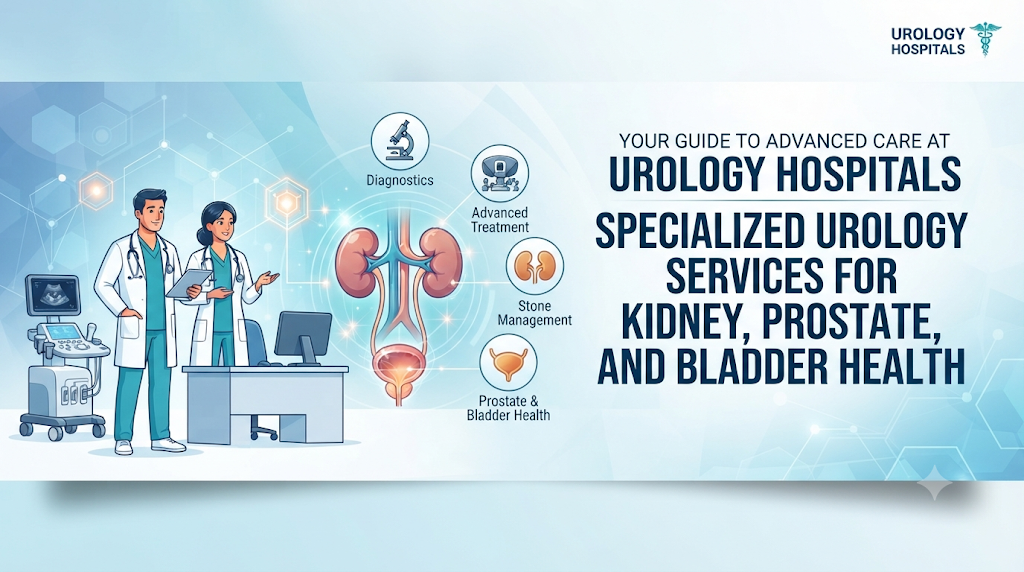
Navigating the healthcare system when dealing with health concerns can feel overwhelming, particularly when facing urological issues. Whether someone is experiencing new urinary symptoms, researching a specific diagnosis, or trying to understand treatment options, finding reliable information is the first step toward informed decision-making.
Urological health encompasses a wide range of conditions affecting the urinary tract in both men and women, as well as the male reproductive system. Because these conditions can significantly impact daily life, having access to clear, structured, and trustworthy educational resources is essential. This is where specialized platforms play a valuable role in helping patients make sense of complex medical information, research appropriate care options, and prepare for meaningful discussions with qualified healthcare professionals.
What is UrologyHospitals.com?
Understanding how to navigate the healthcare landscape begins with knowing where to find reliable educational resources. UrologyHospitals.com is designed to serve as a specialized patient-information and care-navigation platform. Its primary purpose is to bridge the gap between complex medical information and everyday patient understanding.
The platform helps users explore various aspects of urological care without replacing professional medical advice. Rather than diagnosing conditions or recommending specific treatments, the platform acts as an educational guide. It helps patients research:
- Common and complex urological conditions
- Diagnostic tests and procedures
- Treatment approaches and care pathways
- Factors to consider when researching Urology Hospitals
- How to find and evaluate qualified Urology Specialists
By providing structured, easy-to-understand content, the platform empowers patients and their families to approach their healthcare journey with greater confidence and clarity.
Understanding Urology Care
Urology is a specialized branch of medicine that focuses on the urinary tracts of males and females, and the reproductive system of males. The organs involved in urological care include the kidneys, ureters, bladder, urethra, and adrenal glands, alongside the prostate, testes, and other male reproductive organs.
Because the urinary system plays a vital role in filtering waste, regulating fluid balance, and maintaining overall bodily health, any disruption can lead to noticeable symptoms. Medical evaluation in this field covers a broad spectrum of care, ranging from routine urinary infections to complex surgical interventions. Understanding the scope of Urology Treatment helps patients realize that care is tailored to the specific organ affected and the unique nature of the underlying condition.
Evaluating Urology Hospitals
Choosing where to receive medical care is a critical decision. When researching Urology Hospitals, patients should look beyond general reputation and focus on factors that directly relate to their medical needs.
Key considerations when evaluating healthcare facilities include:
- Specialized Services: Does the hospital offer dedicated urology departments equipped to handle specific conditions?
- Diagnostic Capabilities: Are advanced imaging, laboratory testing, and urodynamic evaluations readily available?
- Surgical Expertise: If a procedure is required, does the facility support minimally invasive and complex surgical options?
- Multidisciplinary Care: Is there access to related specialists, such as nephrologists or oncologists, if required?
- Patient Support and Follow-Up: How does the hospital manage post-treatment care and recovery guidance?
Conducting thorough research ensures that patients align their care needs with a facility equipped to provide appropriate medical support.
Working with Urology Specialists
A urologist is a physician who has undergone specialized training in diagnosing and managing conditions related to the urinary system and male reproductive organs. Consulting with Urology Specialists is essential when symptoms persist, worsen, or require advanced medical intervention.
During a specialist consultation, a physician will typically review medical history, evaluate symptoms, and recommend targeted diagnostic tests. A specialist helps interpret test results and outlines potential management strategies, ranging from conservative observation to medication or surgical options. Finding the right specialist involves considering their clinical experience, communication style, and familiarity with specific urological conditions.
Kidney Stone Treatment
Kidney stones are hard deposits made of minerals and salts that form inside the kidneys. They can cause severe discomfort, sharp pain in the back or side, blood in the urine, and urinary changes.
When exploring Kidney Stone Treatment, patients often discover that options vary widely depending on the size, composition, and location of the stone, as well as the patient’s overall health.
General approaches may include:
- Observation: Small stones may pass naturally with increased fluid intake and pain management.
- Medication: Certain prescriptions can help relax the ureter or alter urine chemistry to facilitate passage.
- Shock Wave Lithotripsy (SWL): Uses sound waves to break stones into smaller fragments that can pass easily.
- Ureteroscopy: A thin scope is guided through the urinary tract to locate and remove or fragment stones.
- Surgical Procedures: In rare or complex cases, minimally invasive or open procedures may be necessary.
A qualified clinician determines the most appropriate approach based on individual diagnostic findings.
Prostate Cancer Treatment
Prostate cancer is one of the most common types of cancer among men. It typically grows slowly, and many cases are detected early through routine screening and diagnostic evaluations.
When considering Prostate Cancer Treatment, physicians evaluate factors such as the cancer stage, Gleason score (grade), PSA levels, patient age, and overall health status.
Broad treatment categories include:
- Active Surveillance: Closely monitoring the cancer through regular tests without immediate intervention, often suitable for slow-growing, localized cases.
- Surgery: Removal of the prostate gland (prostatectomy), which may be performed using open or minimally invasive techniques.
- Radiation Therapy: Using high-energy rays to target and destroy cancer cells.
- Hormonal Therapy: Medications designed to reduce levels of male hormones that can stimulate cancer cell growth.
Because each case is unique, treatment decisions require detailed discussions between the patient, urologists, and oncologists.
Enlarged Prostate Treatment
Benign Prostatic Hyperplasia (BPH), commonly known as an enlarged prostate, is a non-cancerous condition frequently occurring as men age. An enlarging prostate can put pressure on the urethra, leading to urinary symptoms such as weak flow, frequent nighttime urination, urgency, and difficulty starting urination.
Approaches to Enlarged Prostate Treatment depend on the severity of symptoms and their impact on daily life:
- Watchful Waiting: Regular monitoring for mild symptoms that do not significantly disrupt daily routines.
- Medical Therapy: Prescribed medications to relax prostate muscles or reduce the size of the gland.
- Minimally Invasive Procedures: Treatments utilizing heat, steam, or mechanical devices to reduce excess prostate tissue.
- Surgical Options: Traditional or laser-assisted surgeries designed to remove obstructing tissue when other methods are insufficient.
Urinary Tract Infection Treatment
Urinary tract infections (UTIs) occur when bacteria enter the urinary system, affecting the bladder, urethra, or kidneys. Symptoms often include a persistent urge to urinate, a burning sensation during urination, cloudy or strong-smelling urine, and pelvic discomfort.
Effective Urinary Tract Infection Treatment typically involves confirming the diagnosis through urinalysis and prescribing appropriate antimicrobial medications when a bacterial infection is present. Recurrent infections often prompt further urological evaluation to identify underlying anatomical or functional factors contributing to the issue.
Bladder Cancer Treatment
Bladder cancer begins in the cells of the bladder and is commonly detected early due to visible blood in the urine. Evaluating and managing the condition requires a structured approach involving diagnostic cystoscopy, imaging, and tissue biopsy.
Depending on whether the cancer is non-muscle invasive or muscle invasive, Bladder Cancer Treatment may involve transurethral resection, intravesical therapy delivered directly into the bladder, systemic therapies, or surgical removal of the bladder in advanced stages. Follow-up surveillance is critical to monitor for recurrence.
Robotic Urology Surgery
Advancements in surgical technology have introduced Robotic Urology Surgery as an option for selected urological procedures, such as prostatectomy, partial nephrectomy, and pyeloplasty.
In this approach, surgeons operate using a console that controls robotic instruments with high precision, magnification, and flexibility. While robotic-assisted techniques can offer benefits such as smaller incisions and enhanced visualization in appropriate cases, it is not universally required or superior for every patient. Suitability depends heavily on the specific procedure, patient anatomy, surgeon expertise, and hospital resources.
Urologist Near Me
When individuals search for a Urologist Near Me, they are typically looking for accessible, qualified care within their geographic area. While proximity is an important logistical factor, patients should also evaluate specialists based on their credentials, hospital affiliations, and experience with specific urological conditions. Combining local convenience with clinical suitability ensures a balanced approach to finding the right healthcare provider.
How to Choose a Urology Hospital
Selecting a healthcare facility involves reviewing several practical and clinical criteria:
- Medical Suitability: Ensure the hospital possesses specific expertise relevant to the diagnosed condition.
- Specialist Availability: Confirm the presence of dedicated urologists and multidisciplinary care teams.
- Diagnostic Facilities: Check whether advanced imaging and laboratory services are integrated on-site.
- Treatment Options: Verify that the facility offers a comprehensive range of medical and surgical care pathways.
- Surgical Capability: Evaluate the availability of advanced operating theatres and minimally invasive technology.
- Follow-Up Care: Understand how post-treatment recovery and ongoing monitoring are structured.
- Location and Accessibility: Consider travel distance, emergency access, and overall convenience for the patient and family.
- Verified Information: Rely on verified institutional credentials rather than unverified online claims.
Questions to Ask a Urology Specialist
Preparing for a medical consultation helps ensure productive communication. Patients may consider asking:
- What is the likely cause of my urological symptoms?
- What diagnostic tests are necessary to confirm a diagnosis?
- What are the available treatment options for my condition?
- What are the potential benefits and risks associated with each option?
- Is treatment urgent, or do I have time to consider alternatives?
- Are minimally invasive or robotic-assisted approaches appropriate for me?
- What is the expected recovery timeline following treatment?
- What type of follow-up care will be required?
Who Can Benefit from UrologyHospitals.com?
1. Patients Researching New Symptoms
Individuals experiencing unfamiliar urinary changes can use structured educational content to understand possible underlying causes before speaking with a clinician.
2. Patients Diagnosed With a Urological Condition
Those who have received a specific diagnosis can explore detailed explanations of their condition to better understand medical terminology and treatment pathways.
3. People Researching Urology Hospitals
Users can review essential criteria for evaluating healthcare facilities, helping them compare hospitals based on relevant medical capabilities rather than location alone.
4. People Looking for Urology Specialists
Individuals can learn what to look for when searching for qualified urologists, ensuring they find professionals experienced in managing their specific health needs.
5. Patients Considering Urological Procedures
Those facing potential medical or surgical interventions can explore balanced overviews of procedures, helping them prepare thoughtful questions for their care team.
6. Families Supporting a Patient
Family members can access reliable, easy-to-understand educational resources to help them support a loved one through diagnosis and treatment planning.
Common Mistakes When Researching Urology Care
- Relying Solely on Search Rankings: Choosing a hospital or doctor based exclusively on online visibility rather than clinical qualifications.
- Ignoring Specialist Expertise: Assuming all physicians possess equal experience across every subspecialty of urology.
- Assuming Surgery is Inevitable: Believing that every urological diagnosis automatically requires invasive surgical intervention.
- Overlooking Minimally Invasive Options: Failing to discuss whether less invasive alternatives are suitable for the condition.
- Delaying Evaluation: Putting off professional medical assessment for persistent or worsening urinary symptoms.
- Using Internet Info as a Diagnosis: Substituting general web research for a formal, professional medical evaluation.
Best Practices for Medical Research
- Prioritize Education First: Focus on understanding the fundamentals of urological health before evaluating specific providers.
- Organize Personal Records: Keep a clear record of symptoms, test results, and past medical history.
- Consult Qualified Professionals: Always rely on licensed physicians for diagnosis and personalized treatment recommendations.
- Compare Options Objectively: Evaluate hospitals and specialists based on verified credentials and relevant clinical capabilities.
- Discuss Alternatives Openly: Ask healthcare providers about the range of available management strategies, including benefits and risks.
Understanding Diagnostic Tests
Accurate diagnosis forms the foundation of effective urological care. Diagnostic processes may include:
- Medical History & Physical Exam: Reviewing symptoms, general health, and targeted physical assessments.
- Urinalysis: Laboratory testing of urine to detect blood, infection, or abnormal cells.
- Blood Tests: Evaluating markers such as PSA for prostate health or kidney function indicators like creatinine.
- Imaging Studies: Utilizing ultrasounds, CT scans, or MRIs to visualize urinary tract structures.
- Cystoscopy: Using a thin, illuminated scope to examine the interior lining of the bladder and urethra.
Not every patient requires every test; diagnostic pathways are tailored by clinicians to match individual symptoms.
When to Seek Professional Urology Care
Persistent, worsening, or unusual symptoms warrant timely evaluation by a qualified healthcare professional. Warning signs include:
- Blood in the urine (hematuria)
- Significant difficulty or pain during urination
- Recurrent urinary tract infections
- Severe or persistent flank or pelvic pain
- Unexplained changes in urinary habits
- Concerning symptoms related to prostate health
Timely medical assessment helps ensure accurate diagnosis and appropriate intervention.
Patient Education Before Treatment
Preparing for a consultation involves gathering relevant health documentation. Patients benefit from bringing:
- A detailed timeline of current symptoms
- Previous laboratory and imaging reports
- A comprehensive list of current medications and supplements
- A written list of questions for the specialist
- Information regarding past medical or surgical history
Organized preparation streamlines clinical conversations and supports collaborative decision-making.
Using UrologyHospitals.com Responsibly
To make the most of online educational resources, readers can follow a structured research approach:
- Learn about general urological conditions and symptoms.
- Review common diagnostic methods to understand what to expect.
- Explore broad treatment categories associated with specific conditions.
- Research the roles of appropriate specialists.
- Investigate key criteria for selecting suitable hospitals.
- Prepare a list of targeted questions for medical consultations.
- Discuss all findings and treatment choices with a qualified healthcare professional.
- Make healthcare decisions guided by professional medical advice.
Frequently Asked Questions
1. What does a urologist treat?
A urologist treats conditions affecting the male and female urinary tract—including kidneys, ureters, bladder, and urethra—as well as the male reproductive system.
2. When should someone consider seeing a urology specialist?
An individual should consider seeing a specialist when experiencing persistent urinary symptoms, recurrent infections, abnormal diagnostic results, or conditions requiring advanced management.
3. How can someone research a suitable urology hospital?
Patients can research hospitals by evaluating their specialized departments, diagnostic capabilities, surgical expertise, patient support services, and institutional accreditation.
4. What should patients consider when choosing a urology specialist?
Important considerations include the specialist’s clinical experience, board certification, hospital affiliations, communication style, and familiarity with specific urological conditions.
5. What factors affect kidney stone treatment?
Treatment depends on stone size, chemical composition, location within the urinary tract, presence of infection, and the patient’s overall health status.
6. How is enlarged prostate treatment selected?
Treatment selection is guided by symptom severity, prostate size, the impact on daily quality of life, and discussion with a qualified urologist regarding medical or surgical options.
7. What factors can influence prostate cancer treatment?
Key influencing factors include cancer stage, tumor grade, patient age, overall health status, and personal preferences regarding potential side effects.
8. When may robotic urology surgery be considered?
Robotic-assisted surgery may be considered for selected urological procedures where precision, dexterity, and visualization can aid the surgical team, depending on individual clinical factors.
9. What should someone check when searching for a urologist near me?
Beyond geographic proximity, patients should verify professional credentials, hospital privileges, and clinical experience relevant to their specific health concern.
10. Can an online urology information platform replace a medical consultation?
No. Educational platforms provide general information and care-navigation support, but they cannot replace a formal physical evaluation, diagnosis, or personalized treatment plan provided by a licensed physician.
Conclusion
Navigating urological health requires reliable information, careful preparation, and collaboration with qualified medical professionals. Understanding conditions, diagnostic processes, and treatment categories empowers individuals to take an active role in their care journey.
While educational resources help clarify complex medical topics and assist in researching hospitals and specialists, final healthcare decisions should always be made in consultation with a qualified healthcare provider. Prioritizing open communication and professional medical guidance ensures safe, personalized, and effective care.
Leave a Reply